How to Avoid the “Near Miss” Trap in Slots and Table Games
The feeling that you were “just one step away” from a win is one of the most powerful psychological triggers in gambling. In 2026, this effect remains widely used in slot design and game mechanics, often leading players to misjudge their chances and continue playing longer than intended. Understanding how near-miss situations work—and how to respond to them—helps maintain control over decisions and prevents emotional rather than rational play.
Why the “Near Miss” Effect Feels So Convincing
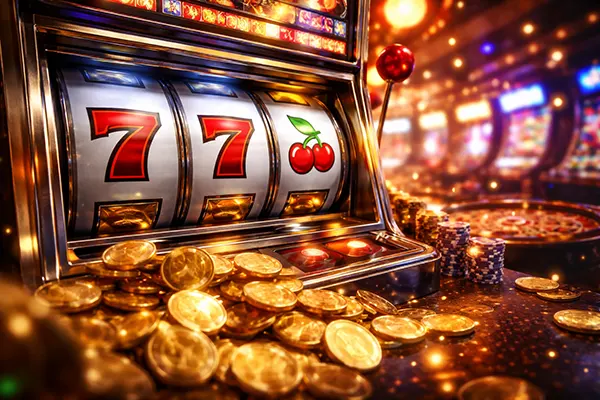
Near misses occur when the outcome appears close to a win—for example, two jackpot symbols landing with a third just above or below the payline. Technically, this result is no different from any other losing spin, yet it creates a strong illusion of progress. Research in behavioural psychology confirms that such outcomes activate similar brain responses to actual wins, reinforcing continued play.
Modern slot algorithms are designed with fixed probabilities, but visual presentation plays a major role. Animated reels, delayed symbol stops, and sound effects enhance the perception that a player is “almost there”. In reality, each spin is independent, and previous outcomes do not influence future results, regardless of how close they seemed.
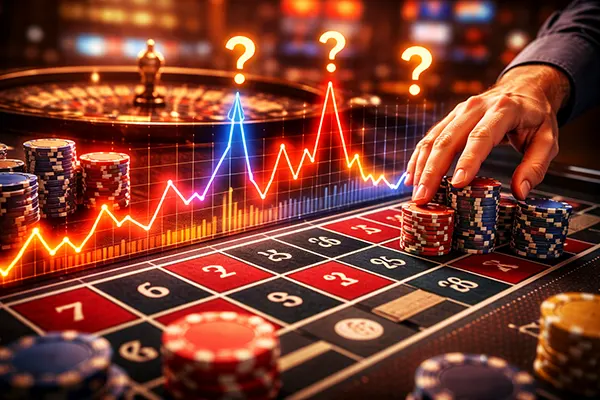
This effect is not limited to slots. In table games, players may interpret a sequence—such as repeated red outcomes in roulette—as a signal that black is “due”. This is a classic cognitive bias known as the gambler’s fallacy, where randomness is mistaken for predictable patterns.
How Game Design Reinforces Misleading Signals
Game developers use specific techniques to highlight near misses visually and emotionally. For example, reels may slow down dramatically when two matching symbols appear, creating tension and expectation. This delay has no impact on the outcome but strengthens the illusion of control.
Sound design also plays a role. Even losing spins can include celebratory sounds or partial win effects, blurring the distinction between success and loss. In some cases, small payouts are presented as wins despite being lower than the original stake, reinforcing continued engagement.
In table games, digital interfaces may display trends, streaks, or histories that appear meaningful but do not affect probabilities. These visual tools can encourage players to believe they can anticipate outcomes, even though the underlying mechanics remain random.
Recognising Cognitive Biases in Real Time
One of the most effective ways to avoid the near-miss trap is to recognise the mental shortcuts that influence decisions. The illusion of control, for instance, leads players to believe their actions—such as choosing when to spin—affect outcomes. In reality, results are determined by random number generators or fixed probabilities.
Another common bias is selective memory. Players tend to remember moments when they were close to winning but overlook the frequency of losses. This creates a distorted perception of how often near misses occur and how likely a win might be.
Emotional escalation is also important. After several near misses, players may increase their stakes, believing a win is imminent. This behaviour often results in higher losses rather than improved outcomes, as probabilities remain unchanged regardless of previous results.
Practical Techniques to Stay Objective
Setting predefined limits before playing is one of the most reliable methods. This includes both time and budget limits, which should not be adjusted based on perceived “momentum” or near-win experiences. Sticking to these limits reduces impulsive decisions.
Tracking sessions can also help. Writing down deposits, bets, and outcomes provides a clearer picture of actual results, counteracting selective memory. Over time, this reveals that near misses do not correlate with increased winning chances.
Taking regular breaks is equally important. Short pauses interrupt emotional build-up and allow for more rational thinking. Even stepping away for a few minutes can reduce the influence of misleading signals created by game design.
Building a Rational Approach to Gameplay
A structured approach begins with understanding that all regulated games operate on fixed mathematical models. Return-to-player (RTP) percentages, house edges, and variance define outcomes over time, not short-term sequences or visual cues.
Players who focus on entertainment value rather than perceived progress are less affected by near-miss effects. Viewing each session as a cost of leisure, rather than an investment, reduces the pressure to “recover” or chase outcomes.
It is also important to choose games with transparent mechanics. Reading paytables, understanding volatility, and reviewing rules provide a more realistic expectation of outcomes, helping to separate facts from psychological triggers.
Long-Term Awareness and Responsible Play
Responsible gambling tools available in 2026—such as deposit limits, session reminders, and self-exclusion options—offer practical ways to maintain control. Using these tools proactively helps prevent decisions driven by emotional responses.
Education plays a key role. Players who understand probability and randomness are less likely to fall into cognitive traps. Even basic knowledge about independent events can significantly improve decision-making.
Ultimately, avoiding the near-miss trap comes down to recognising that “almost winning” has no predictive value. Treating each outcome as independent, and focusing on controlled, informed play, helps maintain a balanced and sustainable approach.